Laser Marking Machine About
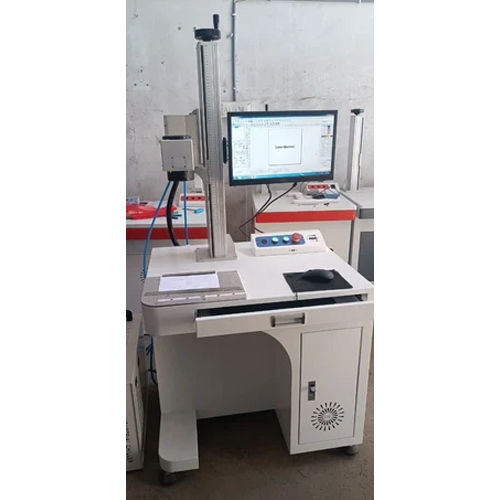
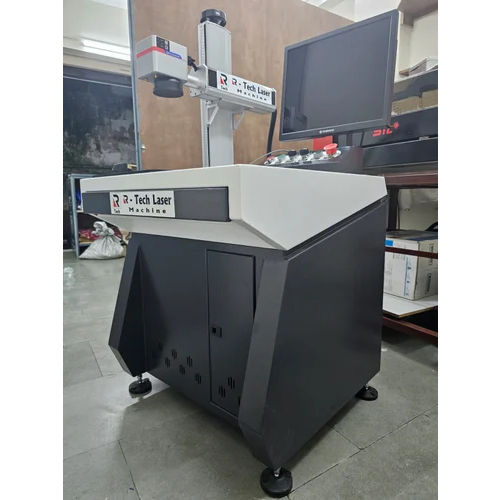
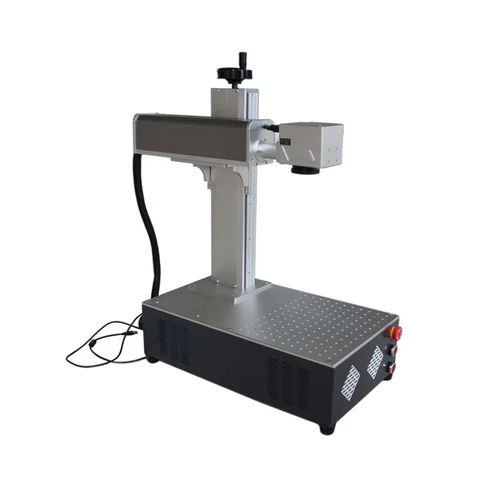
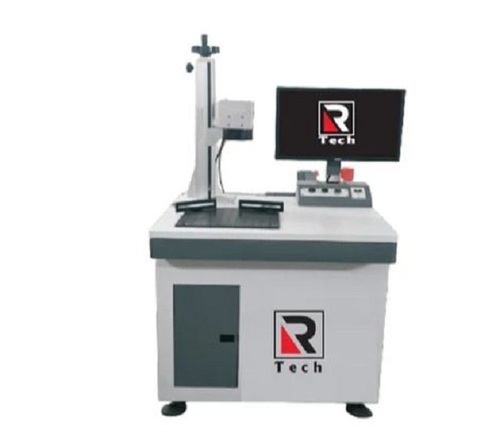
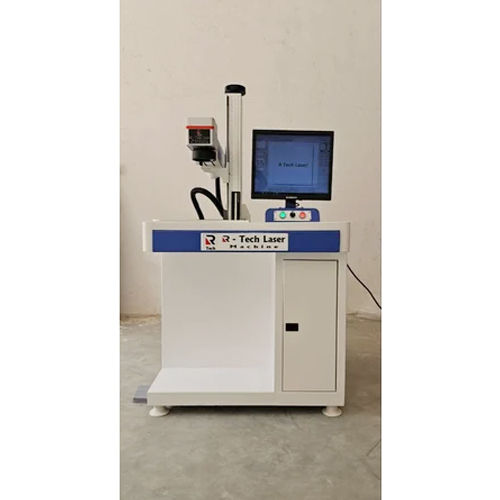
A Laser Marking Machine is a device that uses a laser beam to mark or engrave characters, logos, or designs onto various materials, such as:
1. Metals (e.g., steel, aluminum, copper)
2. Plastics
3. Wood
4. Glass
5. Ceramics
6. Leather
7. Paper
Types of Laser Marking Machines:
1. CO2 Laser Marking Machine: Suitable for organic materials like wood, plastic, and fabric.
2. Fiber Laser Marking Machine: Ideal for metals and plastics.
3. UV Laser Marking Machine: Used for sensitive materials like glass, ceramics, and plastics.
4. Green Laser Marking Machine: Suitable for metals, plastics, and organic materials.
Applications:
1. Product identification (e.g., serial numbers, logos)
2. Barcode and QR code marking
3. Text and image engraving
4. Artistic designs and patterns
5. Medical device marking
6. Automotive part marking
7. Jewelry engraving
Key Features:
1. High precision and accuracy
2. Permanent and durable marks
3. Fast marking speeds
4. Low maintenance and operating costs
5. Customizable software for various marking applications
When selecting a Laser Marking Machine, consider factors like:
1. Material compatibility
2. Marking speed and precision requirements
3. Laser power and wavelength
4. Software and programming capabilities
5. Maintenance and support services
High-Precision Marking for Industrial NeedsWith a minimum line width of just 0.01 mm and character size down to 0.15 mm, this laser marking machine delivers exceptional detail on various materials. Its advanced fiber laser technology ensures permanent, high-contrast marks for traceability, branding, and coding, elevating product identification processes in manufacturing and supply chains.
Flexible Operation and User-Friendly SoftwareCompatible with popular design file formats like PLT, DXF, BMP, and JPG, the machine integrates seamlessly with your workflow. The powerful EZCAD control software offers intuitive design and parameter settings, allowing quick switching between marking projects. Air cooling, automatic CNC control, and robust construction simplify maintenance and long-term operation.
FAQ's of Laser Marking Machine:
Q: How does the 1064 nm wavelength benefit industrial marking applications?
A: The 1064 nm wavelength is ideal for marking metals and some plastics, ensuring clear, high-contrast marks that are durable and resistant to wear. This makes the machine suitable for a variety of industries where permanent identification is required.
Q: What is the process for setting up and operating the laser marking machine?
A: To begin, connect the device to AC 220V power and install the provided EZCAD software on your computer. Upload your design files (PLT, DXF, BMP, JPG, etc.), select your marking parameters, focus the lens (160mm or 254mm), and initiate marking. The CNC system ensures precise and automated control.
Q: When should I choose between the 110x110mm and 200x200mm marking areas?
A: Choose the 110x110mm area for high-precision, small-scale marking, and select the 200x200mm option for larger parts or designs. The interchangeable lenses allow you to switch between marking areas based on your application needs.
Q: Where can this laser marking machine be used most effectively?
A: This marking machine excels in manufacturing plants, workshops, and export facilities across India, thanks to its air-cooled design, electric compatibility (220V, 50/60Hz), and robust build for continuous use in industrial environments.
Q: What types of files are supported by the laser marking machine?
A: The machine supports various file formats, including PLT, DXF, BMP, JPG, and more, making it compatible with most design and CAD software to streamline workflow integration.
Q: How does the machine ensure consistent marking accuracy and longevity?
A: It utilizes a reliable fiber laser with a lifespan of up to 100,000 hours, maintains 0.01 mm accuracy, and features air cooling to prevent overheating. Automated CNC control enhances repeatability for high-volume operations.
Q: What are the key benefits of using this laser marking machine for industrial purposes?
A: It offers exceptionally fast marking speeds (up to 7000 mm/s), precise control, flexibility in design formats, minimal maintenance due to air cooling, and long service life. This results in increased productivity and lower operational costs for manufacturers and suppliers.

 Send Inquiry



 Send Inquiry
 Send Inquiry
 Send SMS


 English
 Spanish
 French
 German
 Italian
 Chinese (Simplified)
 Japanese
 Korean
 Arabic
 Portuguese